
Services
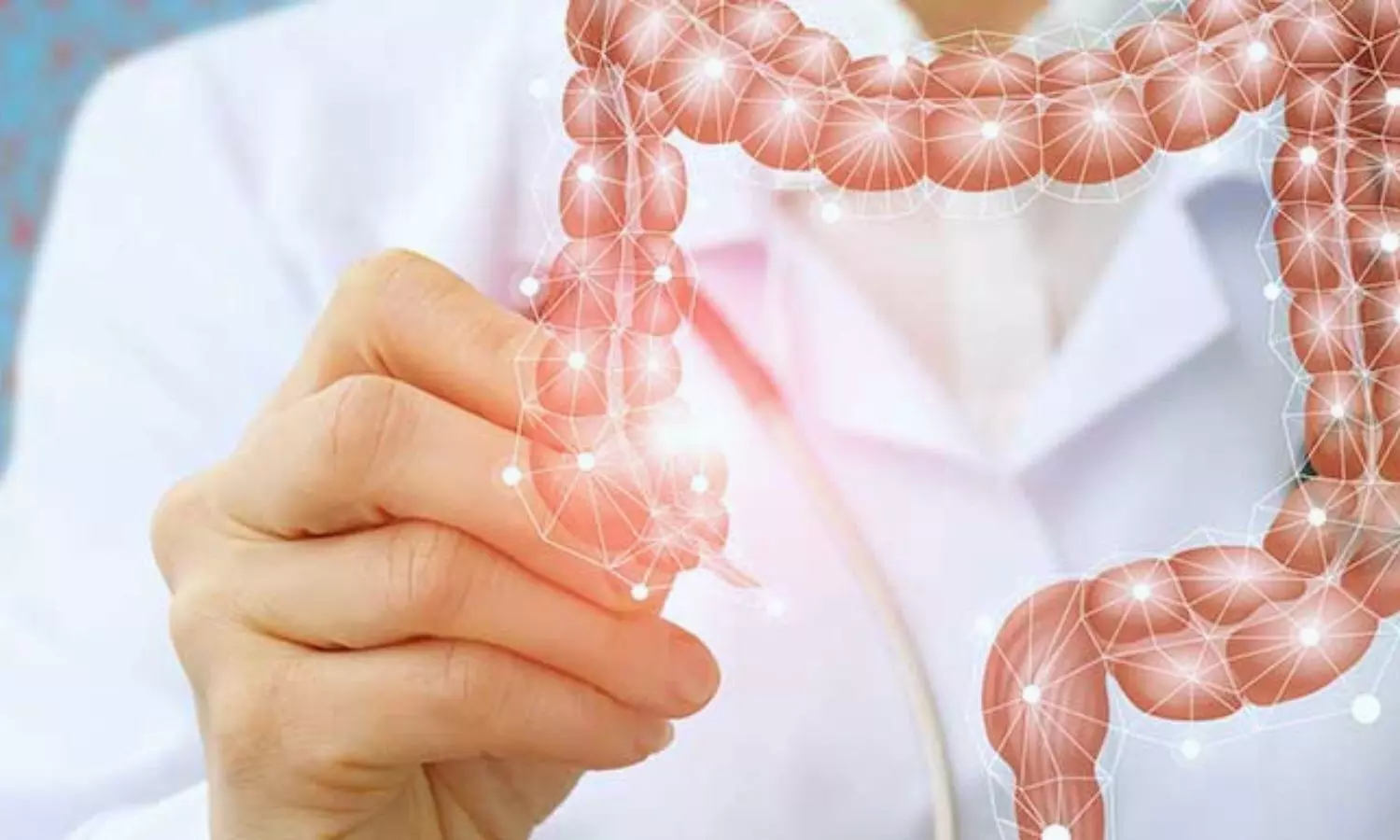
Gastrointestinal Imaging Unit
The Gastrointestinal Imaging Unit at Radcare Center is one of the specialized units that relies on the latest medical imaging technologies to provide accurate and comprehensive diagnosis of gastrointestinal conditions, supported by a specialized medical team and advanced protocols.
Supportive services:
- Anesthesia/Sedation: We provide anesthesia or sedation services when needed, especially during certain examinations such as MRI, to ensure patient comfort and stability during imaging.
Here is an overview of our services:
1. Plain X-rays
- Procedure: Quick abdominal imaging without contrast.
- Uses: Detecting bowel obstruction, gastrointestinal perforation, or foreign bodies.
2. Fluoroscopic Studies of the Upper and Lower GI Tract
Structural disorders:
- Suspected narrowing or obstruction.
- Hiatal hernia.
- Fistula or perforation.
Motility disorders:
- Achalasia
- Gastroparesis
- Diffuse esophageal spasm.
Diffuse esophageal spasm.
- Assessment of gastric bypass, sleeve, or stapling surgeries for leakage or obstruction.
- Confirmation of device placement such as feeding tubes or stents.
Congenital anomalies (in children).
3. Computed Tomography (CT)
- Procedure: Cross-sectional imaging with or without oral or intravenous contrast.
- Uses: Diagnosing appendicitis, diverticulitis, tumors, abscesses.
- CT Enterography: Evaluation of Crohn’s disease.
- Virtual Colonoscopy: 3D reconstruction for detection of colonic polyps.
4. Magnetic Resonance Imaging (MRI)
- Procedure: Imaging without radiation using magnetic fields.
- Uses: Diagnosing liver tumors, pelvic diseases such as fistulas in Crohn’s disease, MRCP for biliary and pancreatic ducts.
5. Ultrasound
- Procedure: Non-invasive and radiation-free.
Procedure: Non-invasive and radiation-free.
- Diagnosis of gallbladder and appendix diseases (especially in children).
- Assessment of solid abdominal organs.
- GE Logic E10 – Al-Namouthajiya Branch: Equipped with Shearwave and UGAP technologies for accurate evaluation and follow-up of chronic liver diseases.
6. Positron Emission Tomography–CT (PET-CT)
- Uses: Tumor assessment (such as colorectal cancer) by combining anatomical and functional images.
7. MRI Defecography
What is MRI Defecography?
A high-resolution dynamic test for diagnosing pelvic floor disorders without radiation, making it a safe and preferred choice, especially for complex or recurrent cases
Uses:
- Diagnosis of rectal prolapse, rectocele, enterocele, or sigmoidocele.
- Evaluation of functional disorders such as dyssynergia or fecal incontinence.
- Post-surgical follow-up or pre-treatment assessment.
Procedure steps (30–60 minutes):
- Preparation: Fasting or enema if needed. Contrast medium (barium gel or gadolinium) inserted rectally.
- Position: Usually performed lying down, though some modern scanners allow sitting position.
- Imaging: Performed during rest, squeezing, and simulated defecation with dynamic motion capture.
Advantages:
- Radiation-free, safe for repeated use.
- Superior tissue contrast compared to traditional radiography.
- Simultaneous visualization of bladder, uterus, and rectum.
Risks:
- Minimal, such as embarrassment during straining or mild discomfort from the gel.
Comparison with other tests:
- Traditional defecography uses barium and X-rays, but is less accurate and involves radiation.
Follow-up:
- Results are discussed with the specialist to determine the treatment plan, which may include lifestyle modifications, medications, or surgical intervention.